Introduction
Metallic embroidery threads have transformed industries, offering both elegance and function. These threads not only enhance visual appeal but also meet the performance needs of various sectors. In this article, we'll explore the importance of high-quality metallic threads for bulk orders and industrial applications. You'll learn how to select the best thread, ensuring both durability and consistency in large-scale production.
Key Factors That Make Metallic Embroidery Thread High-Quality
Core Construction and Material Composition of Metallic Threads
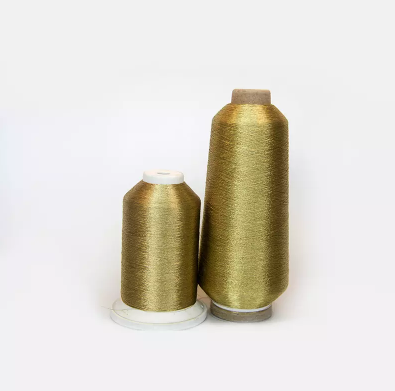
High-quality metallic embroidery threads are typically composed of several key materials that contribute to their superior performance. The core construction involves a blend of metal foil—often aluminum—wrapped around a strong synthetic fiber such as polyester or nylon. The metal foil provides the thread’s signature shine, while the synthetic fiber ensures strength and flexibility. This unique combination ensures that the thread remains durable and flexible, even under the pressures of high-speed machine embroidery.
This combination allows the thread to withstand the rigorous conditions of high-speed industrial embroidery machines. Additionally, the core material helps the thread resist breakage and ensures a smooth finish, even under the stress of high temperatures and mechanical tension. The materials used in high-quality threads not only contribute to their visual appeal but also to their functionality in harsh industrial environments.
Performance Features of Premium Metallic Threads for Industrial Use
Premium metallic threads are engineered to perform well in various industrial environments. Key features include:
Abrasion Resistance: High-quality metallic threads are resistant to friction, making them ideal for use in textiles subject to heavy wear, such as carpets, upholstery, and work uniforms. The durability of these threads ensures that they will last, even in high-stress conditions.
Thermal Stability: These threads can handle high temperatures, making them suitable for use in automotive and aerospace industries, where materials are exposed to extreme heat. This thermal stability ensures that metallic threads will retain their strength and finish, even when subjected to heat or friction in demanding industrial applications.
Electrical Conductivity: Some metallic threads are designed to conduct electricity, which is essential for creating smart textiles and wearable technology, where conductivity is necessary. The conductivity of these threads opens up a wide range of possibilities for creating garments and products that integrate with technology, such as fitness trackers and communication systems.
These features ensure that metallic threads not only look good but also perform under challenging conditions, providing long-lasting results for industrial and commercial applications. Their versatility across different sectors makes them an indispensable choice for a variety of industries.
Why High-Quality Metallic Threads Outperform Low-Quality Options
While lower-quality metallic threads may appear similar at first glance, they often fail to meet the demands of industrial embroidery. Common issues with cheap threads include fraying, breaking, or losing their shine over time. These issues can disrupt production, lead to increased downtime, and ultimately affect product quality. Low-quality threads may also cause problems with machine tension and result in inconsistent stitch patterns, which can impact the final look of the embroidered design.
Investing in high-quality metallic threads ensures consistency, durability, and a professional finish. Premium threads are less prone to splitting or unraveling, which reduces maintenance needs and ensures a flawless embroidery outcome, especially during large-scale production runs. The enhanced durability and performance of high-quality threads help ensure that the product stays looking sharp, even after multiple washes or extensive use.
| Factor | High-Quality Metallic Threads | Low-Quality Metallic Threads |
| Durability | Resistant to breakage, fraying, and unraveling | Prone to fraying, breaking, and loss of shine |
| Finish | Retains shine and color over time | Loses luster and fades quickly |
| Performance in Machine | Smooth operation, consistent stitching | Inconsistent stitching, frequent tension issues |
| Cost Efficiency | Fewer replacements, reduces downtime | Frequent replacements, production delays |
How to Choose the Right Metallic Embroidery Thread for Bulk Orders
Understanding Different Types of Metallic Embroidery Threads: M, MX, MH, MS
When selecting metallic embroidery threads for bulk orders, it’s essential to understand the different types available and their specific uses:
M-Type: Made from pure metallic film, these threads offer a brilliant shine and are ideal for delicate, high-visual-impact applications such as lace and labels. These threads are perfect for creating eye-catching designs where a reflective finish is essential. M-type threads are especially popular in fashion and home décor for adding an extra touch of luxury.
MX-Type: A hybrid thread featuring metallic film bonded with two monofilaments, MX-type threads are designed for stability and durability, making them perfect for use in jacquard fabrics and accessories. The added strength from the monofilaments ensures the thread can handle more stress without compromising the embroidery’s appearance.
MH-Type: A twisted blend of metallic flat yarn and fibers like polyester or nylon, MH threads provide a unique reflective effect and are well-suited for scarves, sweaters, and festive decorations. This type of thread has a soft, multi-dimensional sheen, making it ideal for decorative textiles that need both durability and visual appeal.
MS-Type: Known for their strength and smooth surface, MS threads are the go-to choice for industrial embroidery applications, offering both durability and a vibrant finish. MS threads are particularly favored for machine embroidery where tension and consistency are critical to the final product’s success.
Understanding the differences between these types allows you to select the most appropriate thread for your project, ensuring optimal performance in bulk orders. Each type serves a different need in the production process, helping you to create designs that meet both aesthetic and functional requirements.
| Thread Type | Composition | Ideal Use Case | Key Characteristics |
| M-Type | Pure metallic film | Lace, labels, delicate designs | Brilliant shine, ideal for high-visual impact |
| MX-Type | Metallic film + 2 monofilaments | Jacquard fabrics, accessories | Stability, durability, added strength |
| MH-Type | Metallic flat yarn + fibers | Scarves, sweaters, festive decorations | Reflective effect, multi-dimensional sheen |
| MS-Type | Twisted blend (metallic flat yarn + fibers) | Industrial embroidery applications | Strength, smooth surface, suitable for machines |
Maintaining Color Stability and Finish in Bulk Production
Color stability is a critical factor when choosing metallic threads for industrial applications. High-quality threads are designed to retain their color and finish even after extensive washing, exposure to light, or industrial processing. This ensures that the finished product maintains its shiny, professional look throughout its life cycle, giving it a premium and luxurious finish that will continue to impress.
Threads that fade or lose their luster over time can negatively impact the overall quality of the product, especially for high-end items like uniforms, corporate branding, or luxury fashion. Choosing premium metallic threads ensures that your designs retain their vibrancy and elegance over time, even under the rigorous conditions of industrial production.
Cost-Effectiveness of Purchasing Premium Metallic Threads in Bulk
While high-quality metallic embroidery threads may come with a higher upfront cost, they offer significant savings in the long term. Premium threads are designed to last longer, withstand the demands of industrial embroidery machines, and require less maintenance. This reduces the frequency of thread changes, minimizes downtime, and ultimately leads to cost savings in bulk production.
Investing in premium threads not only enhances product quality but also helps streamline production, making it more efficient and cost-effective. The durability and performance of high-quality threads reduce the need for frequent replacements and ensure that your products maintain their value over time.
Industrial Applications of High-Quality Metallic Embroidery Thread
Using Metallic Threads for Workwear, Uniforms, and Corporate Branding
Metallic threads are commonly used to embroider logos, insignias, and branding on workwear, uniforms, and corporate apparel. These threads provide a distinctive, professional appearance that elevates the design and enhances brand visibility. Their durability also ensures that the embroidered designs withstand regular wear and industrial laundering. High-quality metallic threads make logos and insignias stand out while maintaining their integrity even after repeated washing and long-term use.
Whether it's a military uniform or a branded corporate jacket, metallic threads help create a polished, high-end look that communicates professionalism and quality. The ability of metallic threads to endure harsh laundering processes and retain their shine makes them a top choice for high-demand industries such as corporate branding and government work.
Applications in the Automotive and Aerospace Industries
In industries like automotive and aerospace, metallic threads play a crucial role in creating high-performance textiles. They are used for stitching fabrics that require strength, heat resistance, and durability. For example, metallic threads are used in car seat upholstery, airbag stitching, and even in aerospace components exposed to extreme conditions.
The ability of metallic threads to withstand high temperatures and maintain their structural integrity under pressure makes them ideal for these industries. These industries require threads that can handle both the mechanical stress of production and the harsh conditions the products will face in use, such as exposure to high heat, friction, and chemical exposure.
The Role of Metallic Threads in Smart Textiles and Wearable Technology
Metallic threads are also making their way into the world of smart textiles and wearable technology. These threads are often used to create conductive fabrics that power devices like fitness trackers, smart clothing, and electronic textiles. The ability of metallic threads to conduct electricity is essential for integrating technology into textiles in a seamless and durable manner.
The demand for smart textiles is growing, and high-quality metallic threads offer the perfect solution for creating products that combine technology and fashion. The conductivity and durability of these threads make them indispensable for creating innovative, functional products that meet the needs of the modern consumer.
Troubleshooting and Maintaining High-Quality Metallic Embroidery Threads in Industrial Environments
Preventing Common Issues: Thread Breakage and Tension Problems
Thread breakage and tension issues are common challenges when using metallic threads in industrial embroidery machines. These problems can lead to interruptions in production and compromise the quality of the finished product. To prevent these issues, it's essential to use high-quality metallic threads designed to withstand the stresses of machine embroidery.
Adjusting machine settings, such as thread tension and speed, can help alleviate some of these problems. Additionally, selecting threads with superior construction and flexibility will help reduce the risk of breakage. These adjustments ensure that your machine operates smoothly and the embroidery process remains uninterrupted.
Best Practices for Storing and Handling Metallic Embroidery Threads
Proper storage and handling of metallic threads are crucial for maintaining their quality. Always store metallic threads in cool, dry places away from direct sunlight and humidity. This will prevent degradation of the metal coating and preserve the threads' shine and strength. Storing threads properly also prevents tangling and breakage, which can occur if the threads are not managed correctly.
When handling metallic threads, be gentle to avoid bending or stretching the threads. Using a thread stand can help keep the threads organized and prevent tangling. Proper handling will also extend the life of the thread and ensure that it feeds smoothly during embroidery.
Dealing with Fraying, Unraveling, and Other Thread Problems
Fraying and unraveling are common issues when working with metallic threads. To prevent these problems, ensure that the threads are properly tensioned and that the machine settings are adjusted correctly. Additionally, using high-quality metallic threads that are designed to resist wear and tear will help minimize these issues. Regular maintenance of the machine is also critical to prevent damage to the threads.
| Maintenance Tip | Recommendation |
| Storage Conditions | Keep in a cool, dry place, away from direct sunlight and humidity |
| Handling | Use a thread stand to avoid tangling, avoid bending or stretching the threads |
| Machine Maintenance | Regularly clean machines, adjust tension for smooth operation |
| Testing Threads | Always test a small batch before full production runs |
The Benefits of Investing in High-Quality Metallic Embroidery Threads for Bulk Orders
Achieving Long-Term Savings and Consistency with Premium Threads
Investing in high-quality metallic embroidery threads ensures long-term savings by reducing thread waste, minimizing downtime, and preventing production delays. The durability and reliability of premium threads lead to fewer disruptions, which ultimately makes the production process more efficient and cost-effective. By using high-quality threads, businesses can ensure that their products consistently meet the highest standards without the need for frequent rework or repairs.
Improving Product Quality and Brand Image with High-Quality Threads
Using high-quality metallic threads not only enhances the quality of the finished product but also improves brand image. Customers expect high-end products with professional embroidery that lasts. Metallic threads offer a luxurious finish, elevating your brand's reputation and providing a competitive edge in the market. The consistency and premium quality of your product will help build customer loyalty and brand recognition.
Conclusion
High-quality metallic embroidery threads are crucial for businesses that require precision and durability in bulk orders and industrial applications. These premium threads ensure professional finishes, whether for workwear, smart textiles, or automotive upholstery. By investing in superior threads, businesses can streamline production, reduce maintenance costs, and improve product quality. This ultimately enhances customer satisfaction and offers a competitive edge.
Ningbo Johnson Textile Co.,Ltd offers exceptional metallic embroidery threads that meet these high standards. Their products provide long-lasting value, making them a reliable choice for businesses in various industries.
FAQ
Q: What is high-quality metallic embroidery thread?
A: High-quality metallic embroidery thread is a durable, flexible thread made by wrapping metal foil around synthetic fibers. It’s ideal for bulk orders and industrial applications, offering both shine and strength.
Q: How is metallic embroidery thread used in industrial applications?
A: Metallic embroidery thread is used in industries like automotive, aerospace, and fashion. It’s ideal for stitching durable, high-performance textiles such as workwear, uniforms, and upholstery.
Q: Why should I choose premium metallic embroidery thread for bulk orders?
A: Premium metallic embroidery thread offers superior durability, color stability, and performance, ensuring that mass-produced items maintain their quality over time, reducing production disruptions.
Q: Can metallic embroidery thread be used for machine embroidery?
A: Yes, metallic embroidery thread is compatible with most modern industrial embroidery machines, providing high-quality results without frequent breakage or tension issues.
Q: How do I maintain metallic embroidery thread during production?
A: Proper tension and machine settings are essential to prevent breakage. Additionally, storing threads in dry, cool conditions helps preserve their quality and longevity.
Q: Is metallic embroidery thread more expensive than regular threads?
A: Yes, metallic embroidery thread tends to be more expensive due to its high-quality construction and performance. However, it offers better long-term value due to its durability and reduced maintenance needs.


