Introduction
Metallic embroidery thread is revolutionizing the textile industry. Its ability to add shimmering elegance makes it essential for luxury products. As demand for high-end finishes grows, manufacturers must ensure scalability and consistent quality.
In this article, we’ll explore the importance of metallic embroidery thread in large-scale manufacturing. You’ll learn how to choose the right thread, tackle common challenges, and optimize production for premium results.
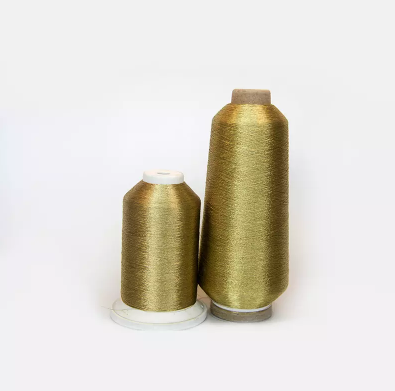
Why Quality Matters: Understanding the Key Features of Metallic Embroidery Thread
What is Metallic Embroidery Thread and How Is It Made?
Metallic embroidery thread is a specialty thread designed for machine embroidery. Typically, it consists of a polyester or nylon core wrapped with a metallic foil or coating that provides its distinctive shine. The foil is often made from materials like aluminum, and it's designed to withstand the tension of machine stitching while maintaining its luster. The unique construction of these threads allows them to offer both durability and aesthetic appeal, making them highly desirable for luxury and detailed embroidery work.
Essential Features of Premium Metallic Embroidery Thread
High-quality metallic embroidery thread has several key features that ensure it performs well in both small and large-scale production:
Durability: Premium threads resist fraying, tangling, and breaking, even under the intense stress of high-speed machines. This ensures that production runs smoothly without unnecessary stoppages.
Colorfastness: They maintain their vibrant colors and shine through repeated washings and wear, ensuring longevity for the final product. This feature is particularly important for products that will undergo regular cleaning, like uniforms and home textiles.
High Shine: Unlike lower-quality metallic threads, premium options offer a long-lasting reflective finish that catches light from multiple angles. The superior luster helps elevate the aesthetic appeal of embroidered designs, giving them a high-end, polished look.
Comparison with Other Embroidery Threads
While metallic threads stand out for their visual impact, they differ significantly from other threads like polyester and rayon:
Polyester: Known for durability and colorfastness, polyester is used for general-purpose embroidery. While it offers good strength and resilience, it lacks the visual appeal of metallic threads.
Rayon: Offers high sheen but is less durable than polyester and more susceptible to damage. It is often used in decorative applications but may not be suitable for high-stress embroidery. Premium metallic threads provide a balance of shine and durability, making them the go-to choice for luxury applications, high-visibility items, and designs that need to maintain their appearance over time.
| Feature | Metallic Embroidery Thread | Polyester Thread | Rayon Thread |
| Durability | High - resists fraying and breaking | High - long-lasting | Medium - prone to damage |
| Shine | Superior, long-lasting reflective finish | Matte or slight sheen | High sheen but fades over time |
| Colorfastness | Excellent - maintains vibrancy | Excellent - resists fading | Moderate - prone to fading |
| Ideal Application | Luxury items, high-visibility designs | General-purpose embroidery | Decorative, fashion applications |
Key Benefits of Using Metallic Embroidery Thread in High-Volume Manufacturing
Versatile Applications of Metallic Thread Across Multiple Industries
Metallic embroidery thread is highly versatile, making it suitable for a range of industries. It is frequently used in:
Fashion: To create eye-catching garments, metallic thread adds dimension to logos, patterns, and designs. Its reflective properties enhance the overall look of fashion pieces, whether it’s for casual wear or high-end designer collections.
Home Décor: Metallic threads are perfect for high-end upholstery, curtains, and decorative textiles. They add a touch of luxury to home décor items, making them stand out in a crowded market.
Promotional Products: Embroidered corporate logos, awards, and custom designs shine when metallic threads are used, enhancing the visual appeal. Metallic threads are a perfect choice for branded items, adding a premium touch to corporate gifts and promotional materials.
Importance of Scalability
For manufacturers producing in bulk, the ability to maintain consistency and quality across hundreds or thousands of units is vital. High-quality metallic threads ensure that even in high-volume environments, designs retain their premium appearance without compromising efficiency. Scalability is key in production, as it allows businesses to meet customer demands while keeping costs and production times manageable.
Maintaining Consistent Performance in High-Volume Production with Metallic Threads
The ability of metallic embroidery threads to perform well at high speeds is crucial for manufacturers. When choosing a metallic thread for high-volume production, factors such as machine compatibility, tensile strength, and colorfastness come into play. Premium metallic threads are designed to withstand the challenges of fast-paced, high-volume environments.
How to Ensure Smooth Production
By selecting threads with superior tensile strength and resistance to fraying, manufacturers can minimize the risk of thread breaks or tangles during production. Additionally, premium metallic threads run smoothly on industrial embroidery machines, helping manufacturers avoid slowdowns or defects in finished products. Threads that maintain consistent performance are critical for ensuring that production goals are met without delays.
Cost Efficiency: How Bulk Supply of Premium Metallic Thread Improves Profitability
Using metallic thread in bulk supply can significantly improve cost efficiency in manufacturing. While high-quality metallic threads may have a higher initial cost, they reduce waste and improve production speed, resulting in long-term savings. Bulk orders also allow manufacturers to lock in lower prices, ensuring a steady supply for large-scale projects.
Waste Reduction
By using durable, high-performance metallic threads, manufacturers can minimize thread wastage caused by breakage or uneven stitching. This leads to higher yields per spool and lower overall production costs. Bulk buying ensures that manufacturers have a consistent supply without having to worry about fluctuations in price or availability.
Addressing Common Challenges in Metallic Thread Production and Usage
How to Prevent Thread Breakage and Manage Tension Issues in Metallic Embroidery
One of the main challenges in working with metallic threads is preventing thread breakage. To avoid this, it’s essential to reduce friction, manage thread tension, and ensure the correct machine settings.
Tips for Thread Breakage Prevention
Proper Tension: Adjust the top thread tension to allow metallic thread to glide smoothly through the machine. Avoid excessive tension that could cause the thread to break under pressure.
Needle Selection: Use needles designed specifically for metallic threads to prevent friction and thread damage. The right needle size and type help ensure a smooth stitching process.
Lubrication: Applying thread conditioners can help reduce friction and prevent thread wear. Specialized lubricants can keep the thread gliding smoothly through the machine, reducing the chances of breakage.
Machine Settings
Ensure that embroidery machines are set up correctly for metallic threads. This includes adjusting the speed and needle type to accommodate the unique properties of metallic thread. Machine maintenance is also critical to ensure consistent performance.
Ensuring the Consistent Shine and Quality of Metallic Thread Throughout Production
Maintaining the high shine of metallic thread during mass production is crucial. To preserve the reflective finish and prevent fading:
Use Proper Stabilizers: Stabilizers help the thread sit smoothly on the fabric, maintaining its brilliance and preventing puckering. They ensure that the thread does not distort during the embroidery process, leading to sharper, more defined stitches.
Quality Control: Conduct regular quality checks to ensure that each batch of metallic thread maintains its color and sheen from start to finish. Regular testing of color fastness and durability ensures that the final product will meet customer expectations.
Choosing the Best Metallic Embroidery Thread for Your Manufacturing Needs
How to Select the Right Type of Metallic Thread for Different Manufacturing Requirements
Choosing the right type of metallic embroidery thread depends on the specific requirements of your production:
M-Type is ideal for light, decorative applications where maximum shine is needed. This type is perfect for delicate, luxury designs.
MX-Type is suited for applications that require both shine and strength, such as jacquard fabrics and labels. It offers durability without sacrificing visual appeal.
MS-Type is the best choice for consistent performance in high-speed embroidery, such as logo production. This type is reliable in large-scale, repetitive production settings.
| Thread Type | Composition | Key Features | Ideal Use |
| M-Type | 100% Metallic Film | Maximum shine, soft texture | Decorative elements like lace, socks, labels |
| MX-Type | Metallic Film + Monofilament Fibers | Stronger, resistant to deformation | Jacquard fabrics, labels, woven textiles |
| MS-Type | Metallic-wrapped Fiber | Durability with shimmer, smooth finish | High-speed embroidery, large-scale projects |
| MH-Type | Metallic Flat Yarn + Fibers | Soft texture, multi-dimensional shine | Fashion, scarves, festive decorations |
Key Factors to Consider When Sourcing Metallic Thread for Bulk Orders
When sourcing metallic thread in bulk, consider the following:
Supplier Reliability: Choose a supplier with a proven track record of providing high-quality, consistent products. It’s essential that the supplier meets delivery deadlines and offers competitive pricing.
Cost and Delivery Speed: Ensure that the supplier can meet both cost requirements and delivery deadlines to avoid delays in production. Fast delivery and flexible terms are crucial when managing bulk orders.
Thread Composition: Verify that the thread's material composition aligns with your specific manufacturing needs, such as durability and shine. Some threads may be more suited for delicate fabrics, while others are better for heavy-duty applications.
For a detailed comparison of thread types, read our guide here.
The Future of Metallic Embroidery Thread in Scalable Manufacturing
Technological Innovations Improving Metallic Thread Performance in Manufacturing
The future of metallic embroidery thread looks promising as technology continues to improve thread durability, performance, and ease of use. New manufacturing techniques, like improved coatings and advanced filament technologies, are making metallic threads even more durable and easier to use in high-speed, high-volume production.
Key Innovations
Enhanced Coatings: New coatings make metallic threads more resistant to damage from heat, friction, and exposure to chemicals. These coatings help ensure the threads retain their shine and structural integrity during the embroidery process.
Advanced Spinning Techniques: These techniques create smoother, more flexible threads, reducing the risk of breakage. The improved flexibility allows the thread to move more easily through machines, reducing machine wear and improving efficiency.
Sustainability Trends in the Production of Metallic Embroidery Thread
Sustainability is increasingly becoming a priority in the production of metallic embroidery thread. Manufacturers are looking for eco-friendly alternatives that reduce environmental impact while still maintaining thread quality.
Eco-Friendly Practices
Recycled Materials: Some metallic threads are now made using recycled fibers, helping reduce waste and promote sustainability. Using recycled materials also supports brands looking to reduce their carbon footprint.
Energy-Efficient Manufacturing: Advances in production processes are making it possible to reduce energy consumption and water use. Eco-conscious manufacturing is becoming a significant factor for businesses and consumers alike.
Conclusion
Investing in premium metallic embroidery thread is crucial for enhancing manufacturing efficiency and product quality. It brings high shine, durability, and colorfastness, making designs stand out even after repeated use. By sourcing in bulk, manufacturers can reduce waste and meet growing demand.
Ningbo Johnson Textile Co.,Ltd provides high-quality metallic threads, ensuring long-lasting performance for fashion, home décor, and promotional products. Their commitment to excellence helps manufacturers maximize production potential and create premium products.
FAQ
Q: What is metallic embroidery thread, and how is it made?
A: Metallic embroidery thread is a specialty thread with a metallic foil or coating, typically made from polyester or nylon. It provides a shiny, reflective finish ideal for high-end embroidery designs.
Q: Why should I use metallic embroidery thread in high-volume manufacturing?
A: Metallic embroidery thread adds a premium shine and durability to products, making it perfect for luxury items and promotional products. It maintains quality even in high-speed, high-volume production environments.
Q: How does metallic embroidery thread compare to other embroidery threads?
A: Metallic embroidery thread offers superior shine and durability compared to polyester or rayon threads. While polyester is strong and colorfast, metallic threads give designs a distinct, eye-catching finish.
Q: Is metallic embroidery thread cost-effective for bulk manufacturing?
A: Yes, using metallic embroidery thread in bulk helps reduce waste and improve production efficiency, offering long-term savings despite a higher initial cost per spool.
Q: Can metallic embroidery thread be used for all types of fabrics?
A: Yes, metallic embroidery thread can be used on various fabrics, including fashion, home décor, and promotional products, providing a luxurious finish to both light and heavy textiles.
Q: How do I prevent thread breakage when using metallic embroidery thread?
A: To avoid breakage, adjust the tension, use the right needle, and ensure machine settings are optimized for metallic threads. Proper lubrication and thread conditioners also help reduce friction.


